Unmasking Digital Deception: How to Detect Fake PDFs, Invoices, and Receipts
Understanding PDF Fraud: Common Red Flags and Why It Matters
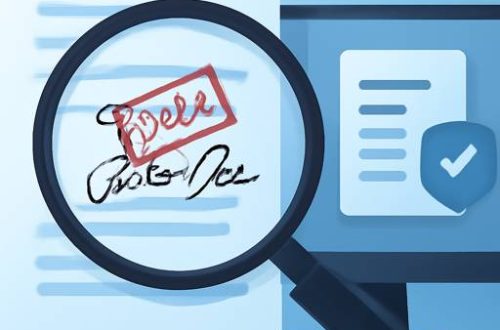
PDFs are widely trusted for preserving document layout and authenticity, but that trust can be exploited. Fraudsters modify or fabricate PDFs to create false invoices, receipts, contracts, and official communications. Recognizing the typical signs of tampering is the first line of defense. Look for inconsistencies in formatting such as mismatched fonts, uneven spacing, or misaligned logos that were likely pasted rather than embedded. These visual clues often reveal that the document is a composite made from multiple sources.
Metadata provides another rich source of information. Genuine files usually contain coherent creation and modification timestamps, consistent author names, and software identifiers that match the organization that issued the document. Suspicious files may show recent creation dates, unusual author fields, or metadata indicating consumer-grade editors rather than enterprise print services. Checking metadata manually or with tools can quickly surface discrepancies that suggest a document has been altered.
Pay attention to numerical and logical anomalies. For invoices and receipts, verify invoice numbers against accounting records, ensure totals and tax calculations are mathematically correct, and confirm line-item descriptions align with purchase orders or delivery notes. Reused or duplicated invoice numbers, implausible payment terms, sudden changes in bank details, and mismatched contact information are all red flags. Social engineering often pairs with PDF fraud: urgent payment requests, last-minute changes, or threats of late fees are common pressure tactics used to bypass verification steps.
Finally, examine visual elements closely. Low-resolution logos, inconsistent color profiles, and images that appear cut-and-pasted can indicate tampering. PDFs generated from scans may hide editable text anomalies; OCR artifacts, odd character substitutions, and non-standard fonts can betray a scanned-but-edited file. Combining visual inspection, metadata analysis, and cross-checking with internal records provides a comprehensive approach to spot attempts to detect fraud in pdf files before they cause financial or reputational damage.
Technical Methods to Detect Fake PDFs, Invoices, and Receipts
Technical analysis complements visual inspection and should be part of any anti-fraud workflow. Start by extracting and reviewing metadata fields such as Producer, Creator, CreationDate, and ModDate. Tools like PDF inspectors and metadata viewers reveal whether a document was produced by legitimate enterprise software or consumer-grade editors. Differences between the stated author and the software signature often indicate post-creation modification. Embedded fonts and object streams can be inspected to see if logos and typefaces are original or inserted from unrelated sources.
Digital signatures and certificates are powerful defenses when implemented correctly. A valid digital signature cryptographically ties document contents to the signer and timestamp, and any modification after signing invalidates the signature. Verify certificate chains, revocation status, and trusted root authorities. Not all PDFs are signed, but when signatures are present, they provide definitive evidence of authenticity. For unsigned documents, compute file hashes and compare them with known-good copies stored in secure systems. Hash mismatches reveal even the smallest changes.
Image forensics and OCR help when documents are scanned or contain embedded images. Analyze image layers for inconsistencies using error level analysis, which highlights regions that have different compression artifacts — potential signs of copy-paste edits. Run OCR to extract machine-readable text and compare it against the visible text to detect overlaying or hidden edits. Automation can speed up these checks: use specialized services and software to compare templates, flag unexpected alterations, and run batch verification. For organizations that need to detect fake invoice at scale, integrating API-driven checks into invoice processing pipelines can reduce manual review load and catch sophisticated forgeries earlier.
Real-World Examples, Case Studies, and Best Practices for Prevention
Real-world incidents show how layered defenses are critical. In one case, a supplier invoice scam targeted mid-sized companies by sending PDF invoices that mimicked a regular vendor. The fabricated invoice used an old logo scanned from a genuine document, manipulated amounts, and substituted bank details. A routine cross-check of the invoice number and a call to the vendor’s known contact revealed the fraud. This underscores the importance of independent verification: never rely solely on the document alone.
Another case involved falsified receipts submitted for reimbursement. The receipts contained plausible dates and merchant names, but metadata exposed that the files were created with consumer editing apps mere hours before submission. Combining metadata checks with policy controls that require original paper receipts or card transaction statements prevented payment. This demonstrates how policy and technology together form an effective control environment.
Best practices include enforcing multi-factor verification for payments, keeping an immutable archive of issued invoices and receipts for comparison, and training staff to recognize social engineering cues. Implement automated screening on incoming PDFs to flag anomalies such as altered bank details, mismatched fonts, or missing digital signatures. Regularly update vendor contact lists and require confirmation through independent channels before changing payment instructions. Maintain strong access controls and logging to trace who viewed or modified documents, and use watermarking or secure document portals for sensitive communications to reduce the risk of tampered attachments.
Adopting a combination of manual checks, forensic analysis, and automated tools reduces exposure to PDF-based fraud. Emphasize verification of numerical logic, metadata consistency, and cryptographic signatures alongside employee awareness programs to create a resilient defense against attempts to detect fake receipt or other fraudulent document types. Continuous monitoring and periodic audits help catch evolving tactics and ensure controls remain effective

Originally from Wellington and currently house-sitting in Reykjavik, Zoë is a design-thinking facilitator who quit agency life to chronicle everything from Antarctic paleontology to K-drama fashion trends. She travels with a portable embroidery kit and a pocket theremin—because ideas, like music, need room to improvise.

Zoë Whitaker
Originally from Wellington and currently house-sitting in Reykjavik, Zoë is a design-thinking facilitator who quit agency life to chronicle everything from Antarctic paleontology to K-drama fashion trends. She travels with a portable embroidery kit and a pocket theremin—because ideas, like music, need room to improvise.